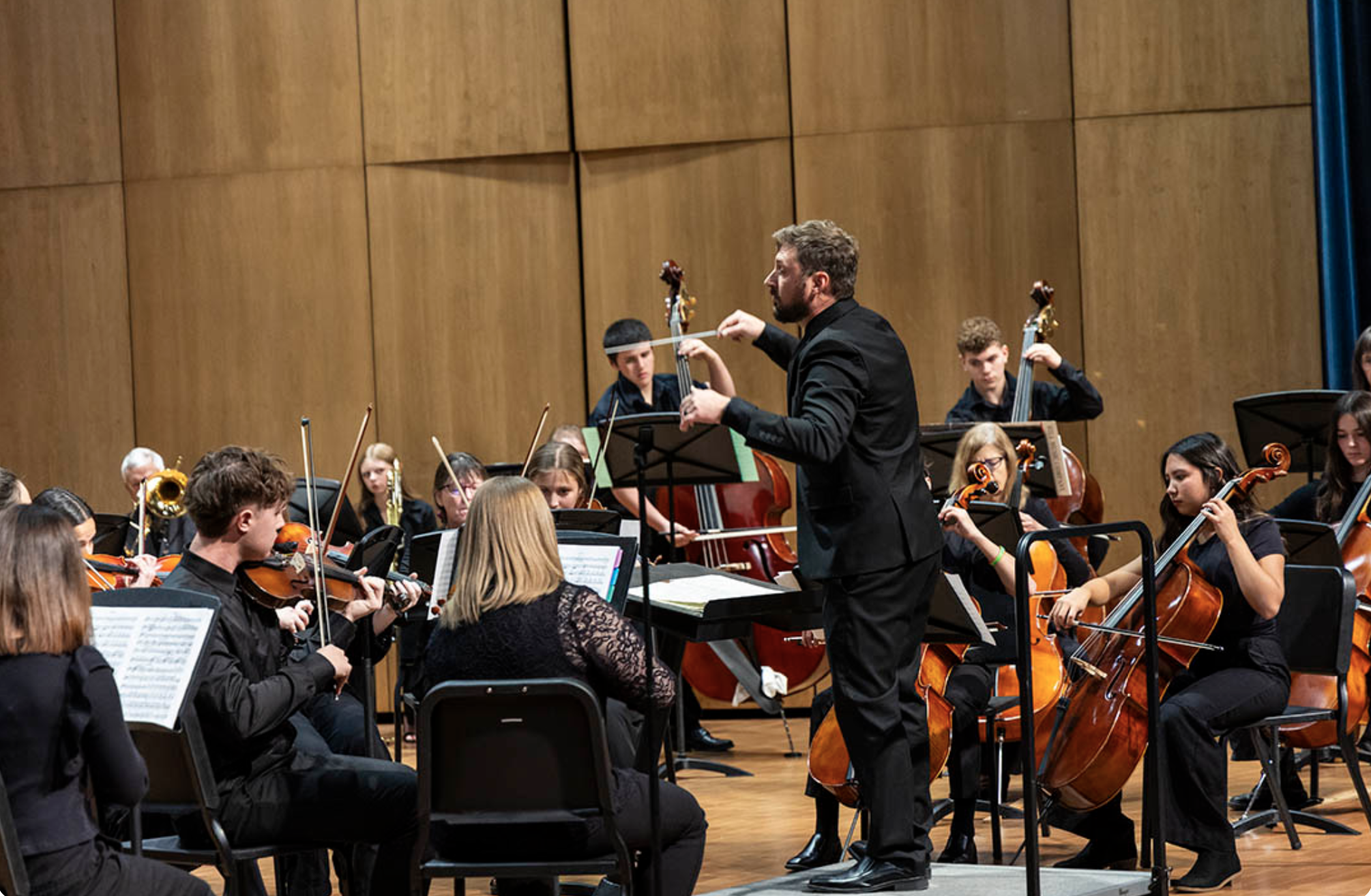
Sheridan College and Community Orchestra
Recordings of our Fall Concert Music
-
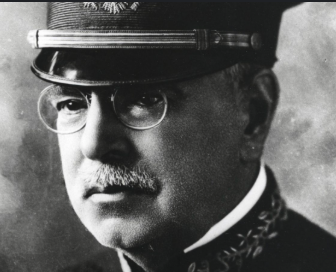
John Philip Sousa - The Stars and Stripes Forever March
With the possible exception of “The Star Spangled Banner”, no musical composition has done more to arouse the patriotic spirit of America than this, John Philip Sousa’s most beloved composition. It has been consistently used with great effectiveness to generate patriotic feeling ever since its introduction in Philadelphia on May 14th, 1897. On December 11th, 1987, President Ronald Reagan signed federal bill S. 860 into law, designating this work as the official National march of the United States of America. - Notes taken from Sousa’s biographer, Paul Bierley
-
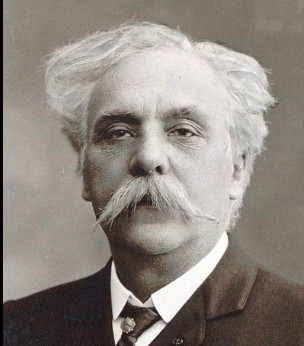
Pavane op. 50
A Pavane is a slow, stately dance that originated in Italy and gained widespread popularity in European Courts during the 16th and 17th centuries. Faure composed his Pavane in 1887 for small orchestra and optional chorus, and (along with his requiem) has become one of his most beloved and enduring works. Like much of Faure’s music, the Pavane is light and highly personal; it presents delicate, intimate melodies that convey a graceful and yet exclusive tone to the work, as if we (the audience) are being allowed to hear a truly beautiful secret.
-
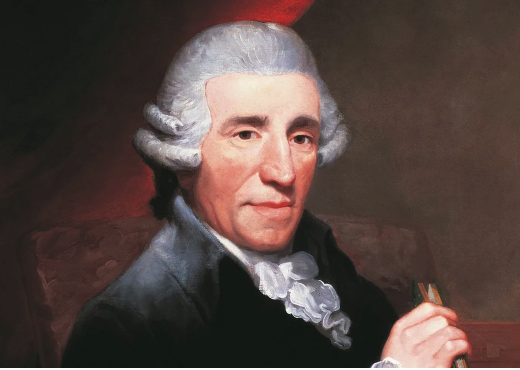
Symphony 104 ("The London Symphony") iii.Menuetto and Trio AND iv. Finale: Spiritoso
These are the final two Symphonic movements in Haydn’s oeuvre, and they are final examples of the composers style: grand but light, humorous but dignified, and quintessentially classical in design. Composed in 1795, the work was the final of 12 symphonies written by the composer during his second extended stay in London from February 1794 to August 1795. The English were very fond of Haydn’s music, and his time there garnered the artist both fortune and celebrity. This work was widely celebrated at its premier and extremely lucrative. Haydn noted in his diary that “he made 4000 gulden that evening” (about $10,000 today adjusted for inflation).
-
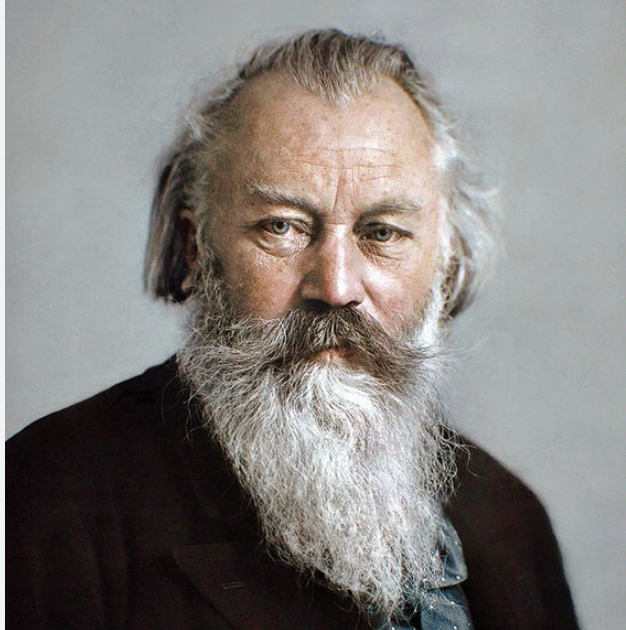
Hungarian Dances 5 and 6
Although these tunes were originally published by Brahms in the 1860’s for piano four hands, it is interesting to note that most of these dances were not true Hungarian folk music, nor were they even original tunes by Brahms. Instead, they are mostly popular salon and coffeehouse tunes written in the style of Hungarian Gypsy music. Brahms’s version of these tunes certainly elevated their status, and increased the fame of the composer as they became some of his most famous works; he later arranged many of the more popular dances for both solo piano and symphonic orchestra. Despite all this, both dances featured on this program do make use of real gypsy musical characteristics, with erratic stop/starts and wildly varying tempi throughout the work.
-
Rehearsal Schedule
Be sure to join BAND for any updates or changes to this schedule.
-
Band Join Link
Join the Band App (invite link in button below) to stay up to date on Rehearsals and everything SCCSO.